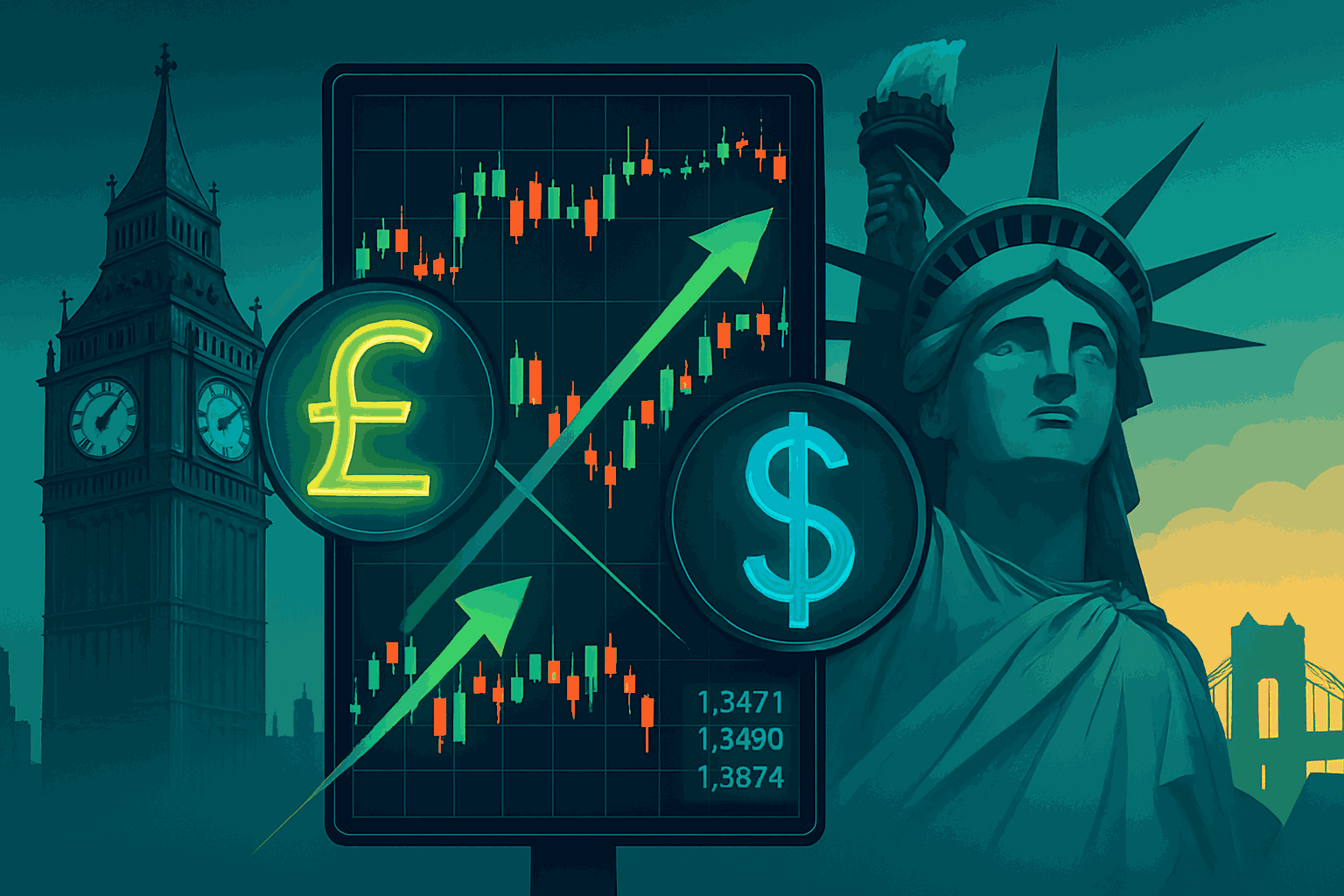
The GBP/USD currency pair, often called “Cable,” is one of the most traded forex pairs in the world. Its price reflects the relationship between the British pound and the U.S. dollar, making it highly sensitive to economic data, central bank policies, and global risk sentiment. For traders, GBP/USD presents both opportunities and challenges, thanks to its liquidity and volatility.
Key Drivers of GBP/USD
1. Monetary Policy Divergence
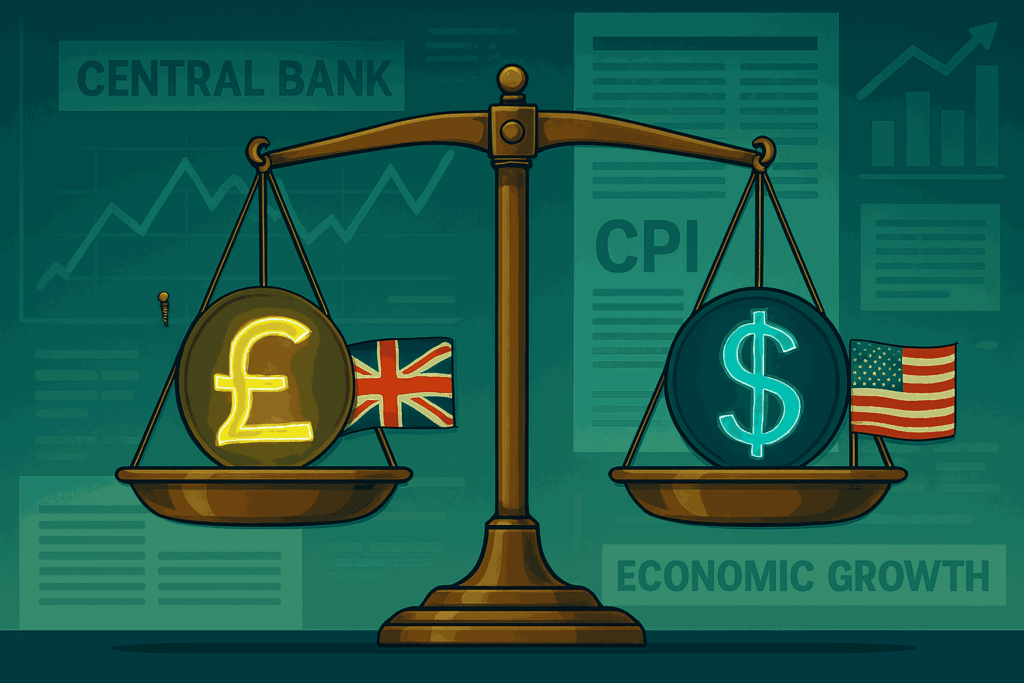
The most important factor influencing GBP/USD is the difference in monetary policy between the Bank of England (BoE) and the Federal Reserve (Fed).
- If the BoE raises interest rates while the Fed pauses, the pound typically strengthens against the dollar.
- Conversely, if the Fed signals higher-for-longer rates while the BoE adopts a cautious stance, GBP/USD often falls.
2. Economic Data Releases
Both UK and U.S. economic indicators shape GBP/USD trends:
- UK Data: GDP growth, inflation (CPI), and employment figures provide clues on the pound’s direction.
- U.S. Data: Nonfarm Payrolls, CPI, and GDP growth reports drive the dollar side of the pair.
3. Brexit Legacy and UK Political Developments
Even years after Brexit, UK politics continues to influence GBP sentiment. Issues such as trade negotiations, fiscal policy, and government stability play a major role in GBP/USD volatility.
4. Global Risk Sentiment
The pound is considered risk-sensitive compared to the safe-haven dollar. In times of global uncertainty, investors often flock to the USD, pushing GBP/USD lower. On the other hand, when risk appetite rises, the pound tends to benefit.
Trading Opportunities in GBP/USD
1. Range Trading in Quiet Sessions
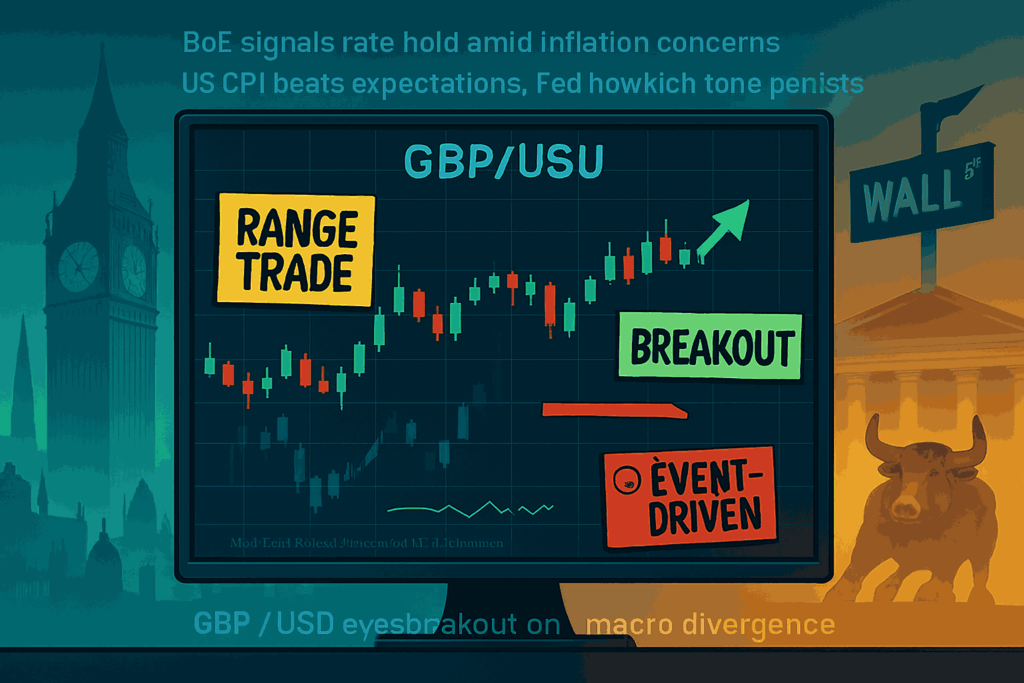
During Asian trading hours, GBP/USD often trades in narrow ranges. Traders can take advantage of support and resistance levels for short-term scalps.
2. Breakouts During London and New York Sessions
The pair is most active when the London and New York sessions overlap. News-driven breakouts during this time create opportunities for momentum trading.
3. Event-Driven Strategies
High-impact data like UK CPI or U.S. NFP reports can trigger sharp moves. Traders often prepare by identifying key levels before the release and trading the breakout or retracement.
4. Long-Term Trend Following
For swing traders, monitoring central bank policy shifts provides longer-term directional bias. For instance, if the Fed signals multiple rate cuts while the BoE stays hawkish, GBP/USD could trend higher for weeks.
Risks to Consider
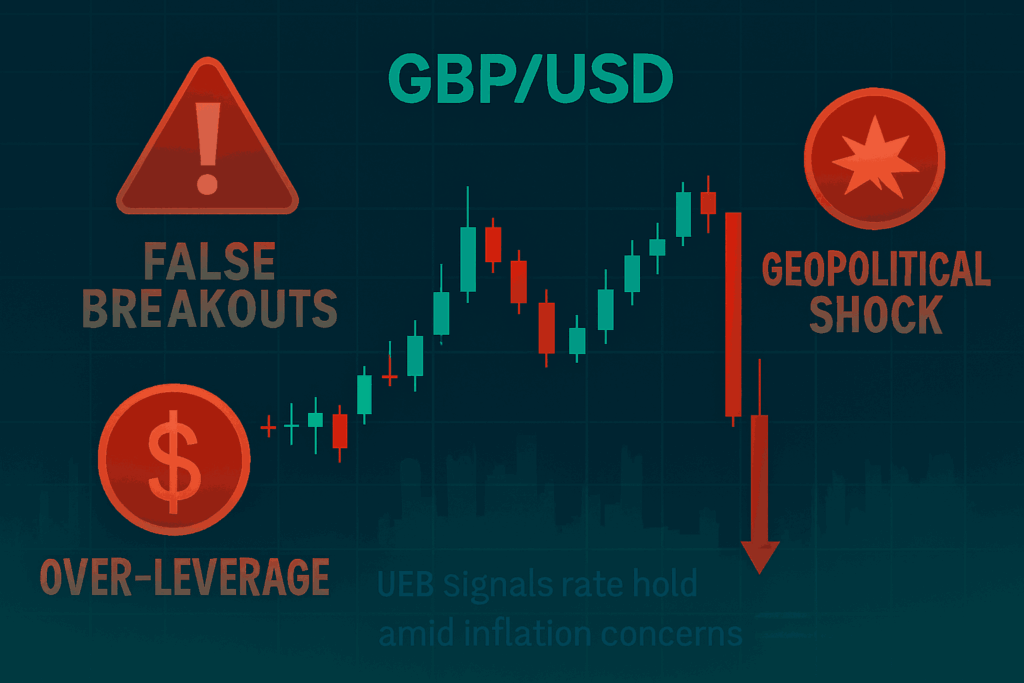
- False Breakouts: GBP/USD volatility can trigger whipsaws around news releases.
- Geopolitical Shocks: Sudden global events may cause flight-to-safety flows into the USD.
- Over-Leverage: Due to high liquidity, traders may over-leverage positions, increasing risk exposure.
Conclusion
GBP/USD remains one of the most exciting pairs for forex traders, offering a balance of liquidity, volatility, and clear economic drivers. Success in trading Cable depends on tracking BoE and Fed policies, reacting to key economic reports, and staying aware of global risk sentiment. With the right strategy whether range trading, breakout trading, or long-term trend following GBP/USD can provide ample opportunities for both short-term and long-term traders.