Introduction
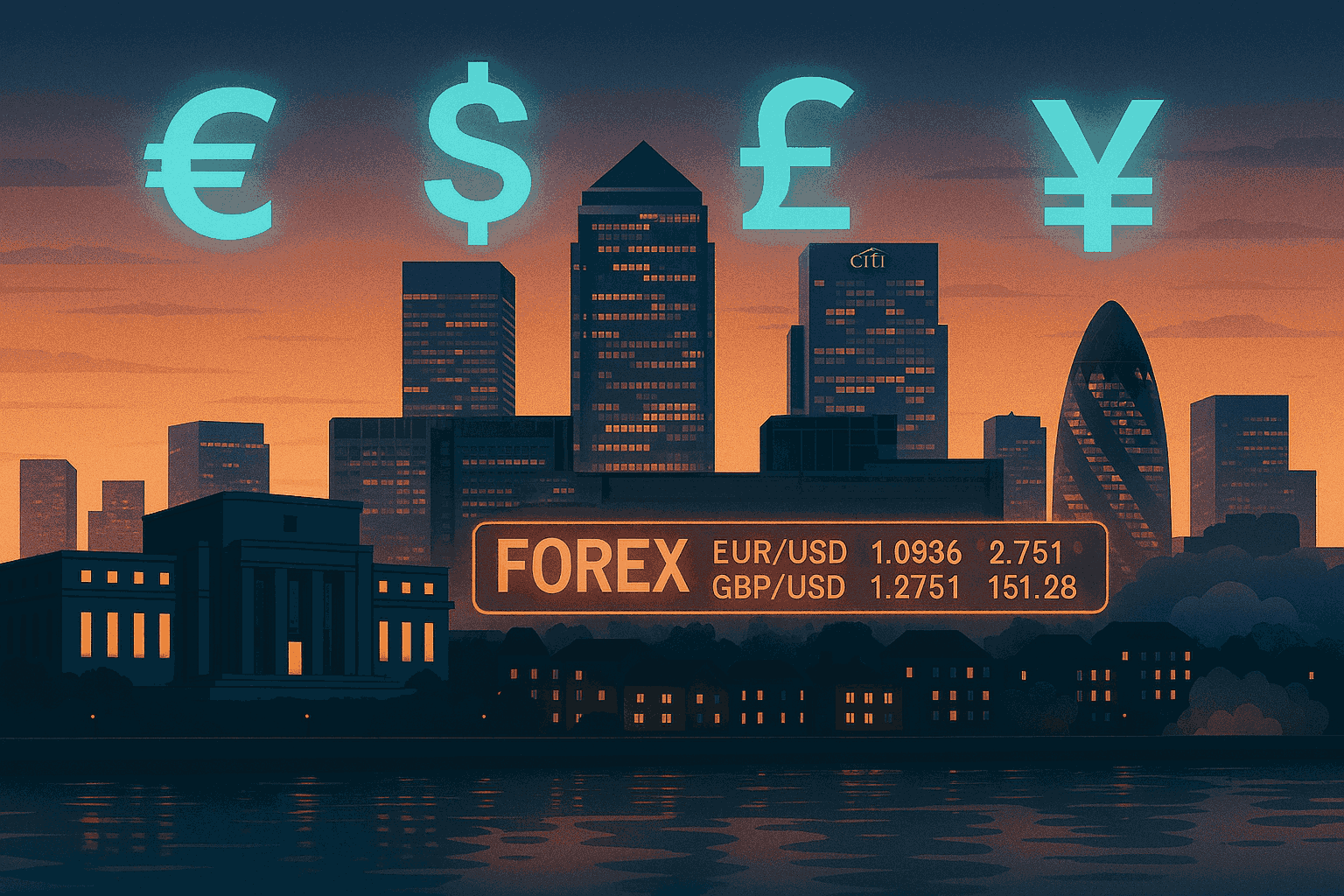
London has long held the crown as the World’s Forex Capital and the global hub of foreign exchange (forex) trading. Despite rising competition from New York, Singapore, and Hong Kong, the UK capital still processes the largest share of daily FX transactions. According to the Bank for International Settlements (BIS), more than 40% of global forex turnover happens in London. But why does this city continue to dominate? The answer lies in a mix of history, geography, regulation, and market depth that no other financial center has been able to replicate.
The Historical Foundation
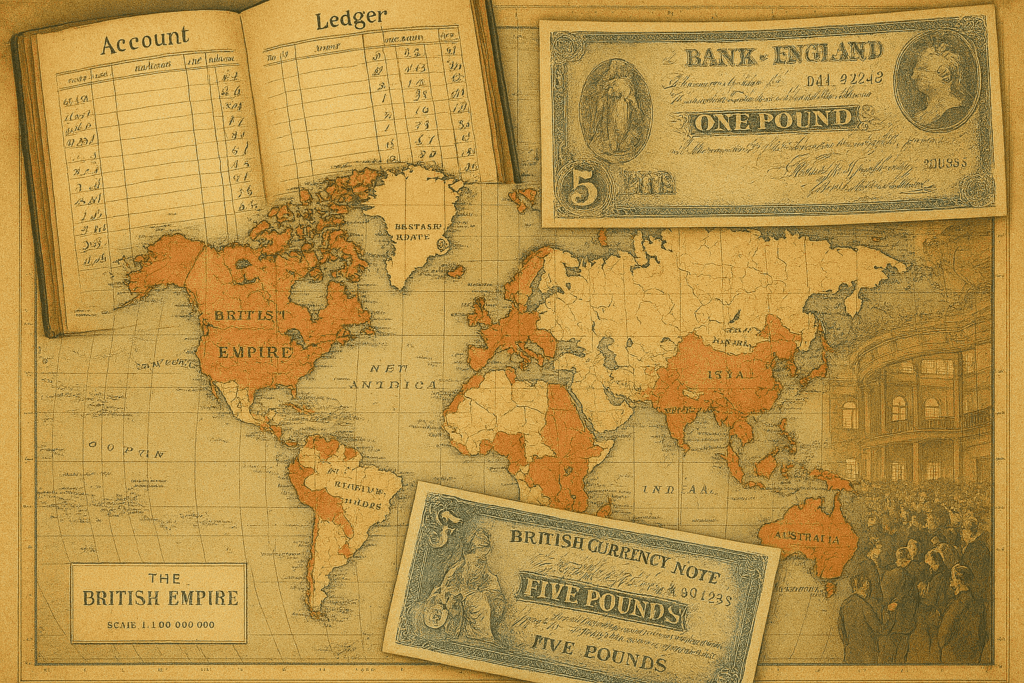
London’s position as a financial powerhouse dates back to the 19th century, when the British Empire established trade and financial networks across the globe. Sterling was the world’s reserve currency before the US dollar took over in the mid-20th century, and many of those financial linkages still exist today.
The legacy infrastructure from major banks to clearing systems created a foundation that continues to attract international players. Many of the world’s largest financial institutions still keep their primary FX trading desks in London, ensuring liquidity and global reach.
Time Zone Advantage
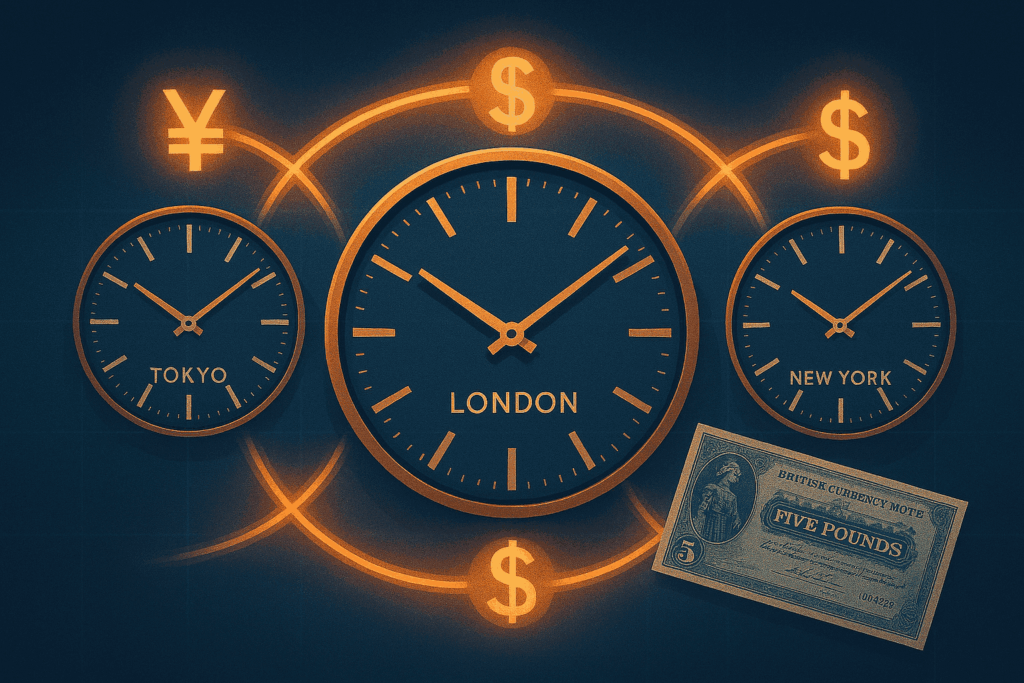
One of London’s biggest strengths is its strategic time zone. The city sits between the Asian trading session and the New York session, allowing it to act as the perfect bridge for global currency flows.
- When Asia closes, London is already open.
- When London winds down, New York takes over.
This overlap means that the highest trading volumes and volatility often occur during the London session. For traders, this makes London hours the most active and profitable time to trade.
Depth of Liquidity
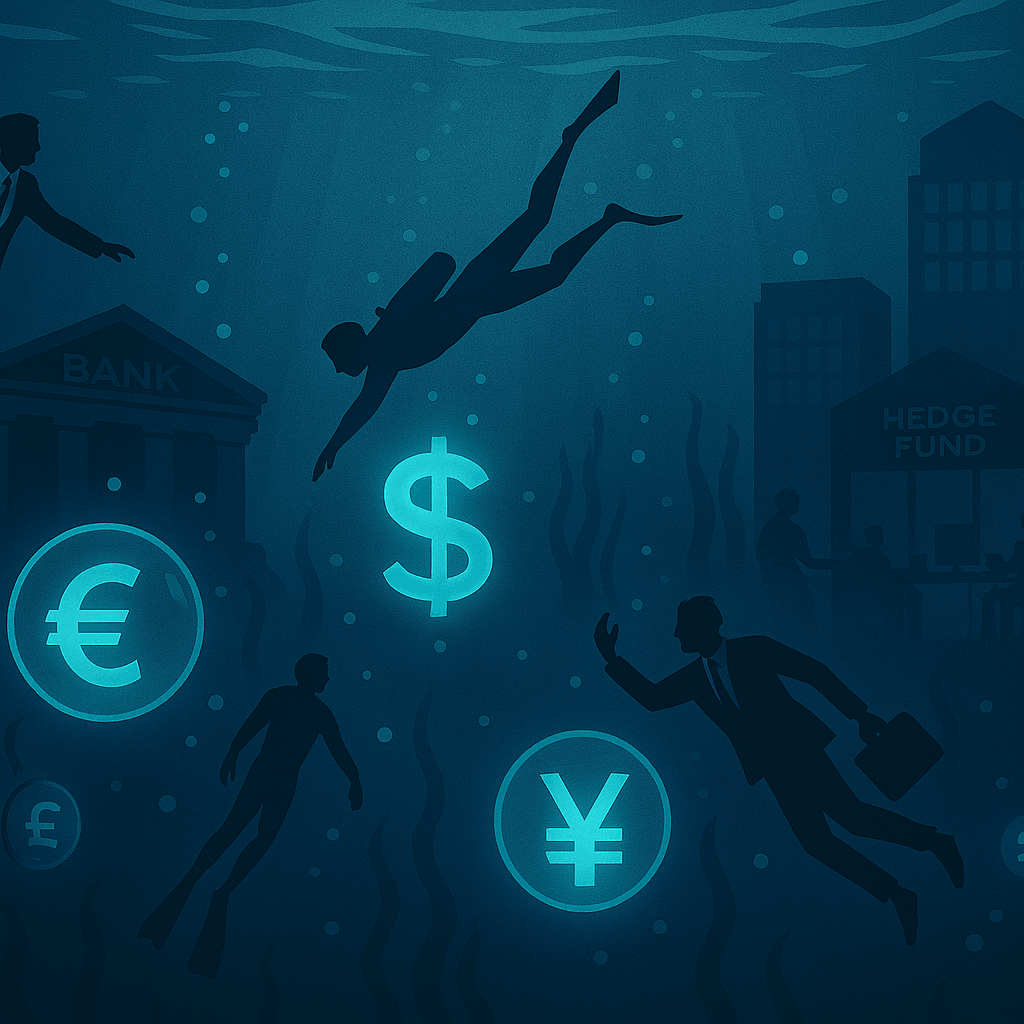
Liquidity is what makes London the forex capital. The city provides access to a deep pool of counterparties, including:
- Global banks
- Hedge funds
- Asset managers
- High-frequency trading firms
This broad participation ensures tight spreads, fast execution, and massive daily turnover. For example, pairs like EUR/USD and GBP/USD see their sharpest moves during London hours, largely due to the sheer number of active participants.
Regulation and Market Confidence

The UK’s regulatory environment also plays a key role. The Financial Conduct Authority (FCA) is recognized worldwide for its strict oversight and investor protection. This gives global institutions confidence that London remains a transparent and stable place to conduct business.
Even after Brexit, the UK has taken steps to ensure it remains a competitive financial hub, with policies that continue to attract firms rather than push them away.
Innovation and Technology

London is also home to some of the most advanced trading infrastructure in the world. With cutting-edge electronic trading platforms, algorithmic strategies, and fintech innovation, the city has successfully adapted to changes in global markets.
High-speed connectivity between London, New York, and Asia ensures that trades are executed in milliseconds, keeping London at the forefront of forex technology.
The Global Talent Pool

Another key factor is the talent base. London attracts traders, analysts, and financial professionals from across the world. Its international culture, combined with its reputation for financial expertise, creates a network effect the more people that come to London, the more others want to be there.
Challenges Ahead
That said, London does face challenges.
- Brexit has raised questions about access to European markets.
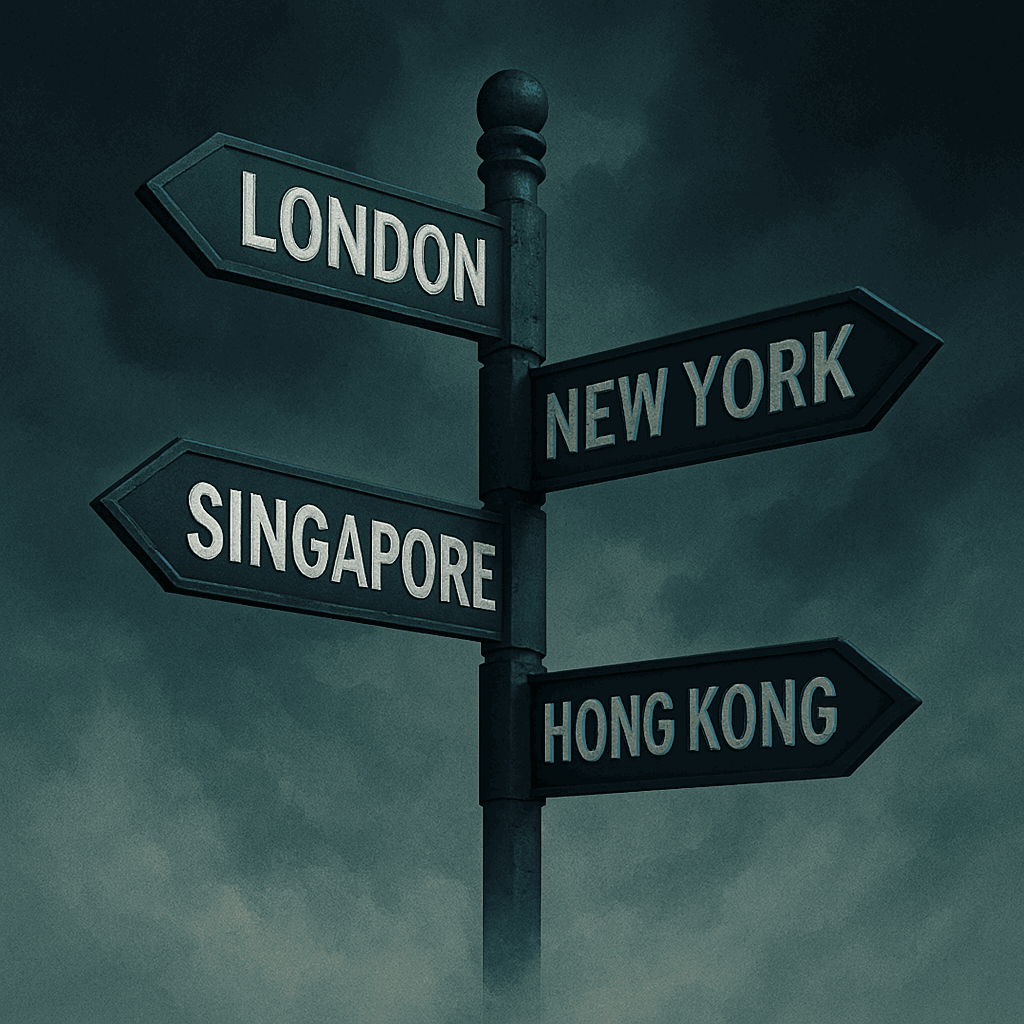
- Competition from New York, Singapore, and Hong Kong is intensifying.
- Geopolitical shifts could alter currency flows in the future.
Still, the sheer momentum of London’s financial ecosystem makes it difficult for rivals to dethrone its leadership anytime soon.
Conclusion
London remains the world’s forex capital because it offers the perfect mix of history, liquidity, time zone advantages, strong regulation, and cutting-edge infrastructure. While other cities may rise in prominence, London’s unmatched depth ensures it will continue to be the heartbeat of global currency trading. For forex traders, this means that the London session will remain the most important part of the trading day and the city itself, the center of the forex world.